
Role: CEO, Cofounder, Inventor
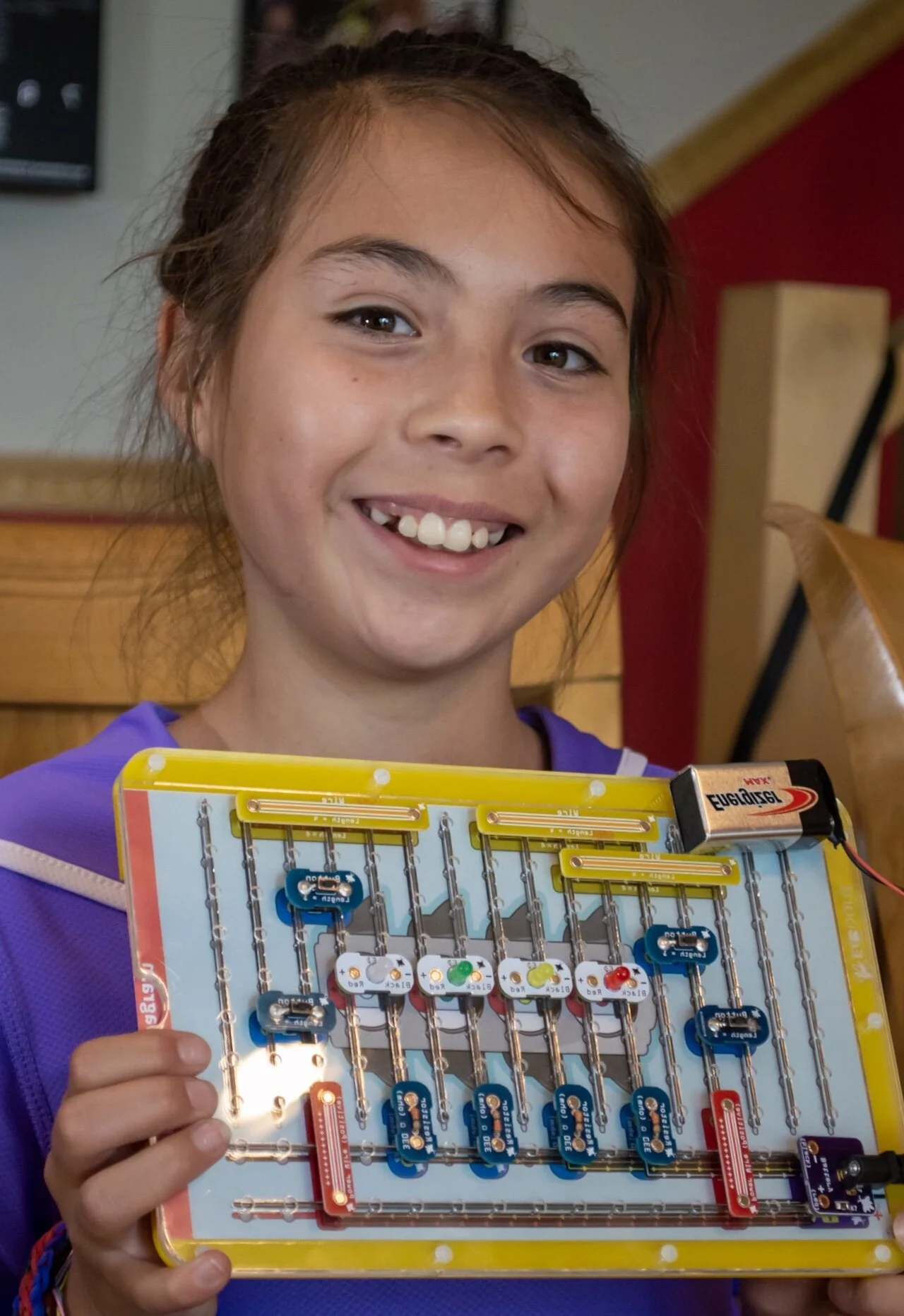
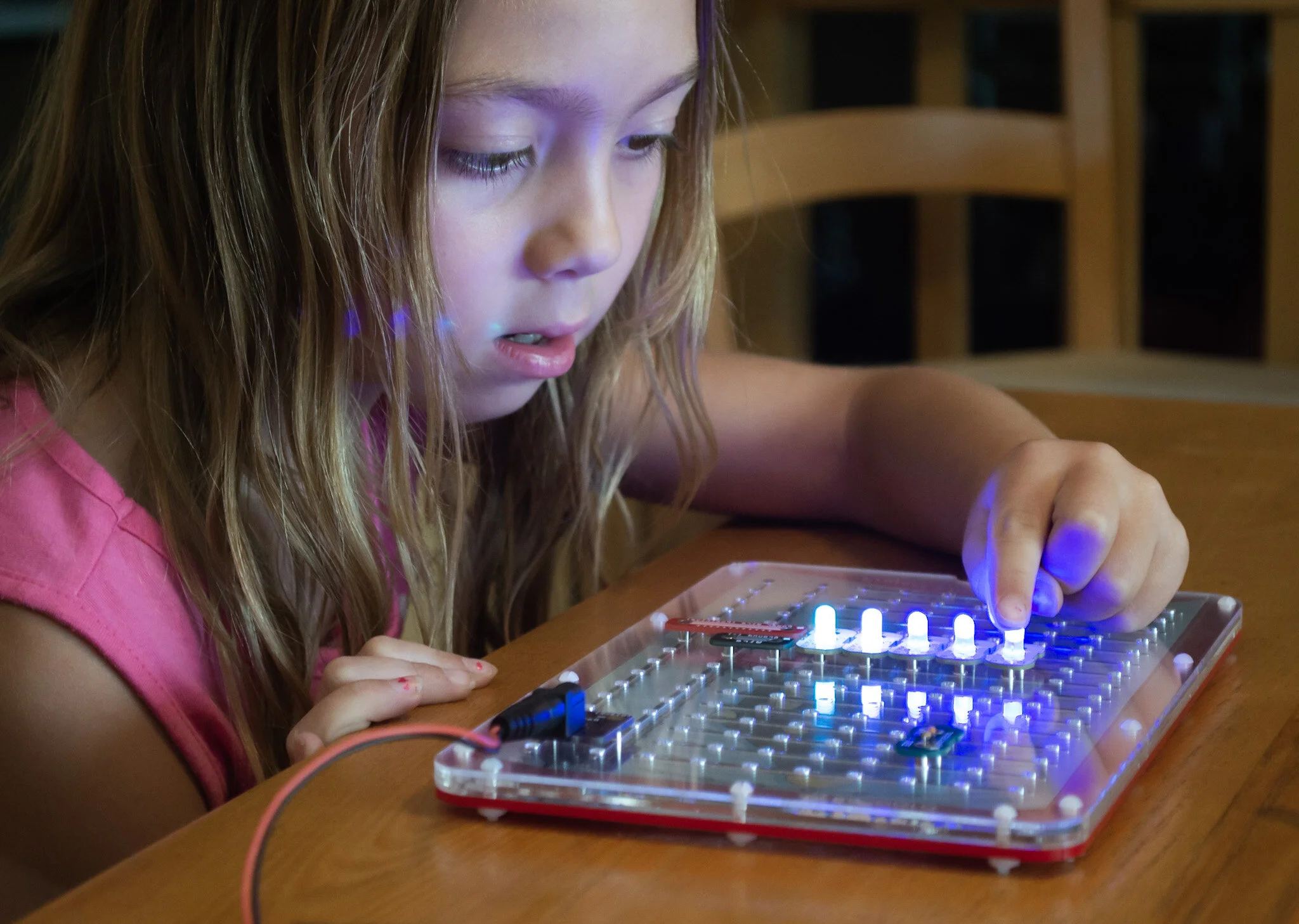
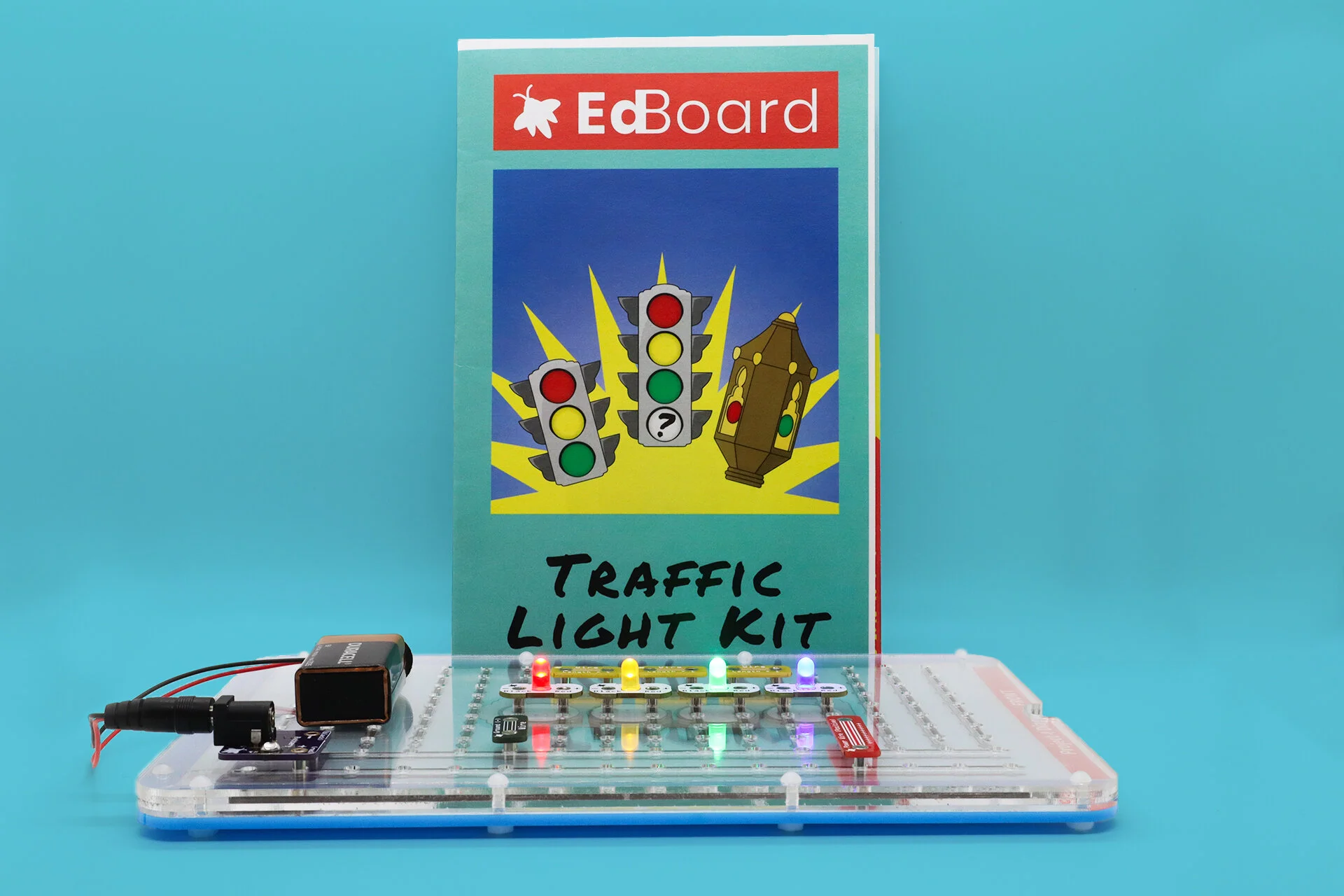
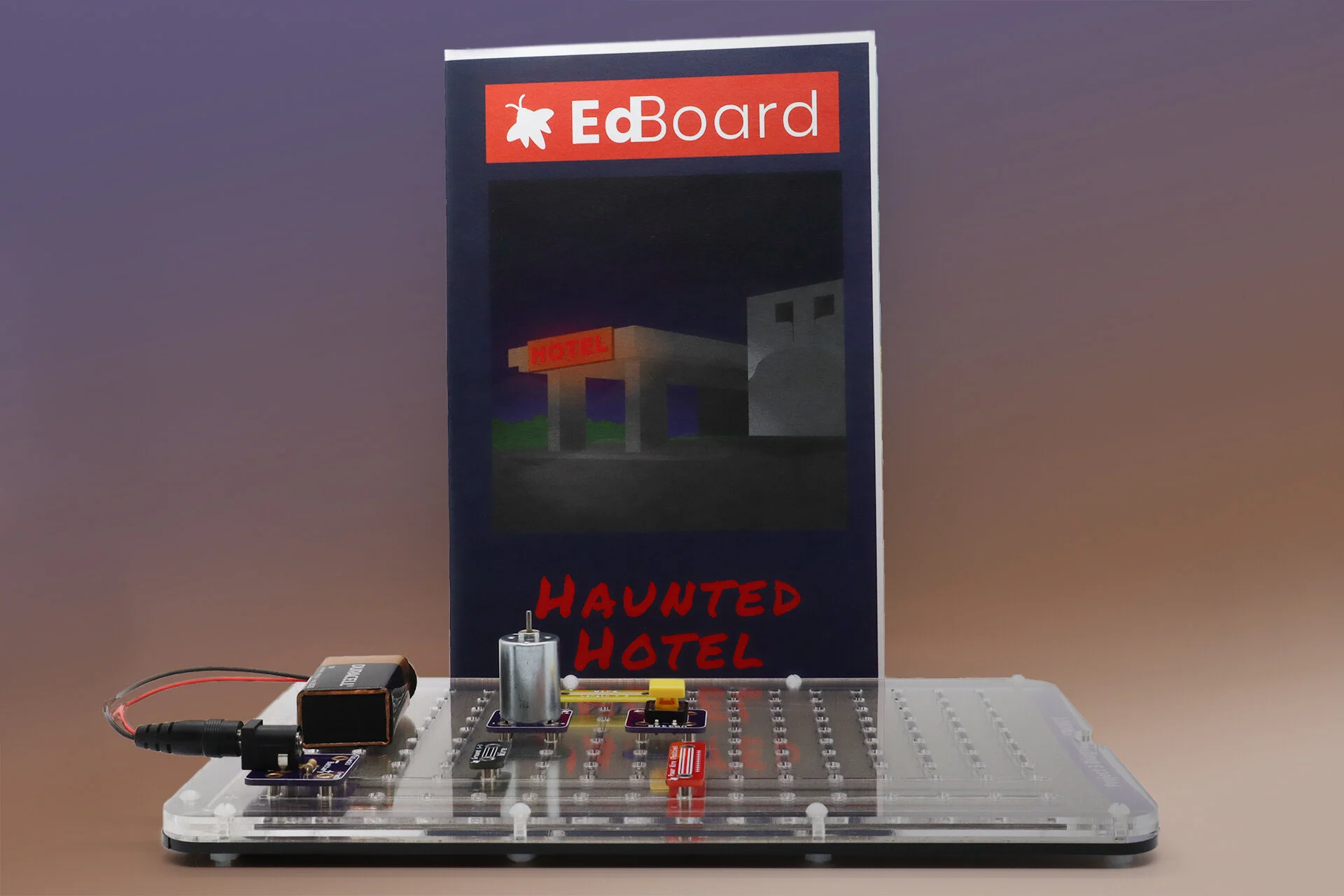
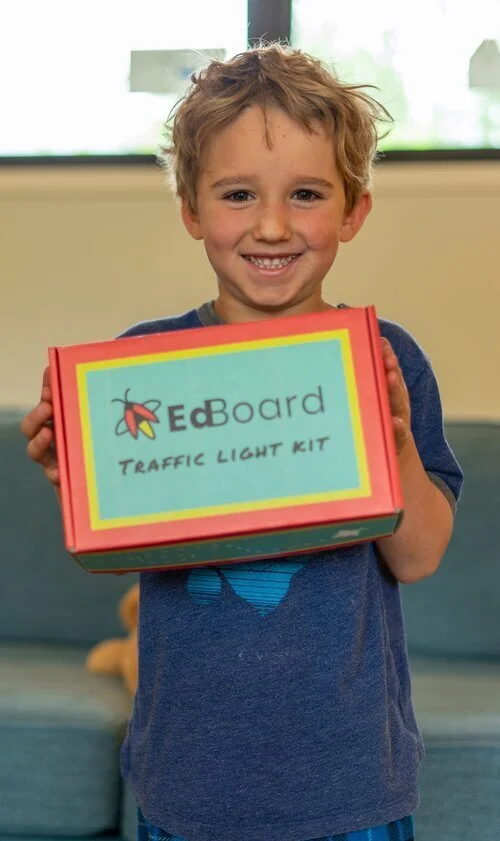
Overview: EdBoard is a research-backed educational platform that has allowed children as young as four years old to design and understand circuitry projects.
Awards: Kickstarter Projects We Love, CU New Venture Challenge Finalist
Funding: $60k (Crowdfunding & Prize Winnings)
Publications: Ruhan Yang, Cody Candler, and Ellen Yi-Luen Do. 2020. EdBoard: An Educational Breadboard. In Proceedings of the Interaction Design and Children Conference 2020 (IDC'20). DOI: https://doi.org/10.1145/3397617.3397832 (London, England (virtual)–June 17-24, 2020).
Date: 2017-Present

Design Ideology & Pedagogy
It’s all about glass box scaffolding and constructionism.
In pedagogy, scaffolding refers to any tool used to help a student to more easily get from point A to point B. This can be a word bank to or an entirely modified lesson. Black box scaffolding refers to scaffolding that is achieved by removing content entirely. For example, a teacher could give a student an image from under a microscope instead of having the student use the microscope themselves. Glass box scaffolding, on the other hand, keeps the educational content and provides a tool to help students more easily approach their learning. For example, a teacher could print out a set of instructions on how to use a microscope. In either case, the student will end up seeing the content of the microscope, but with glass box scaffolding, the student also learns how to use the microscope.
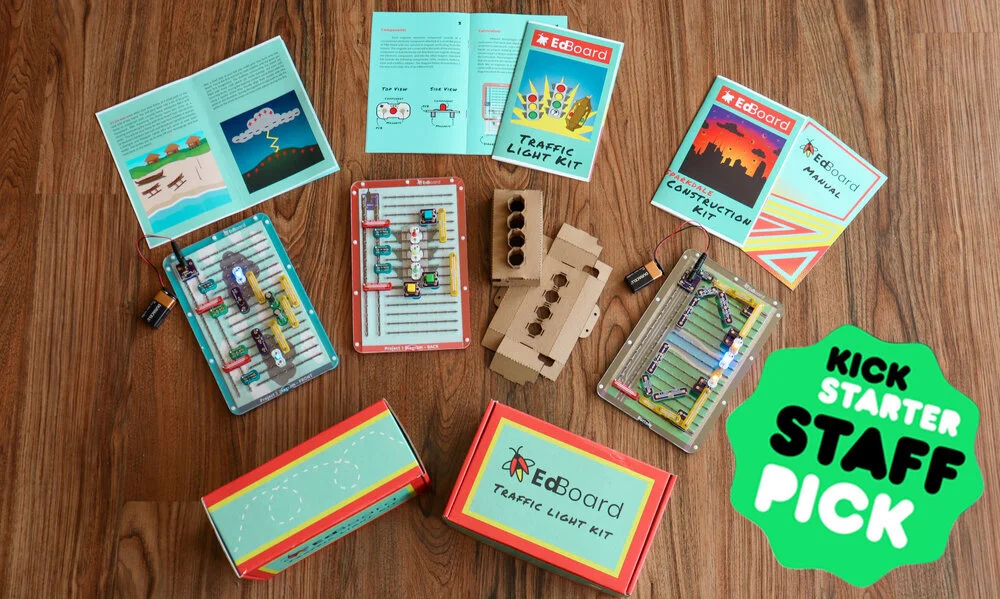
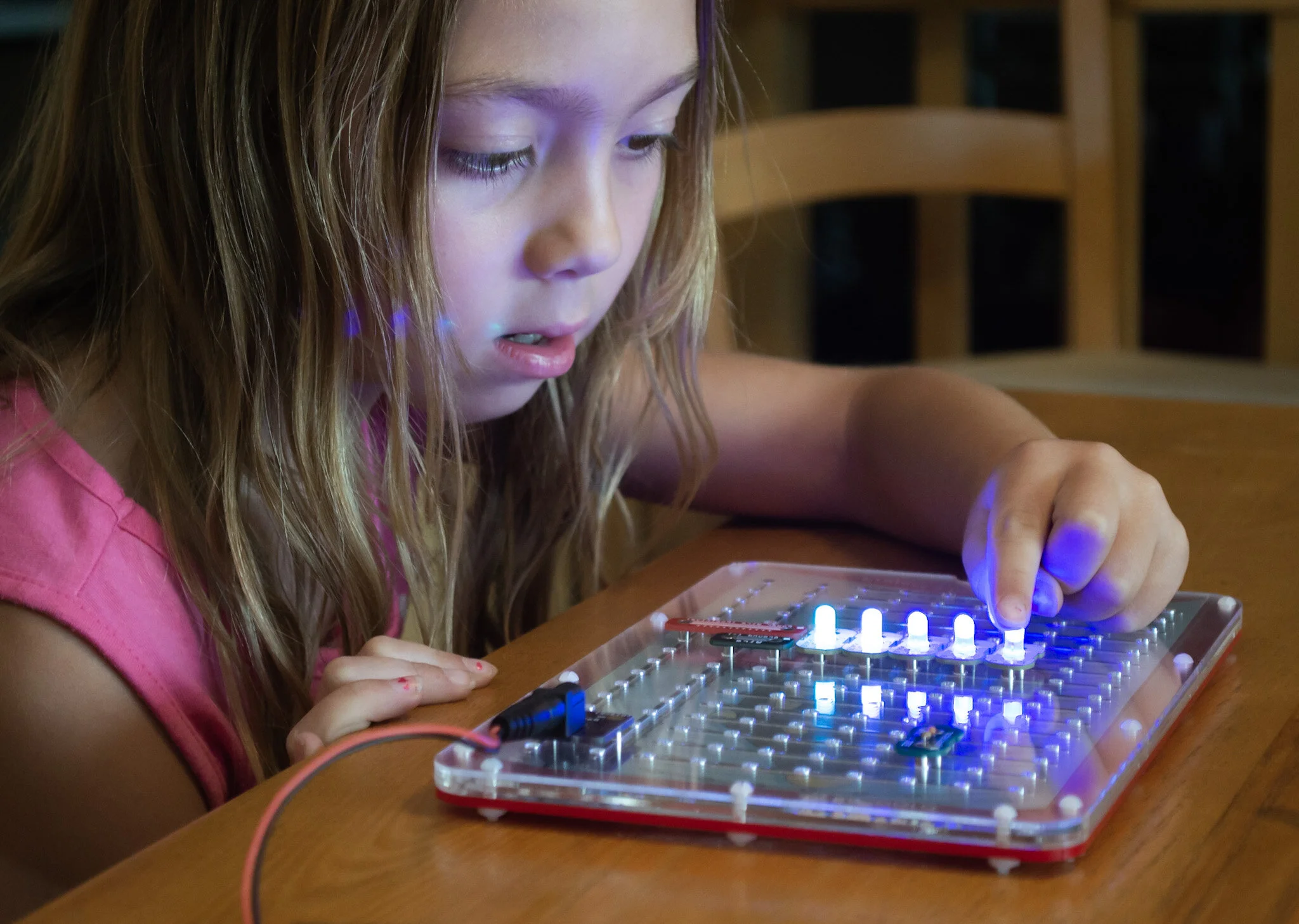
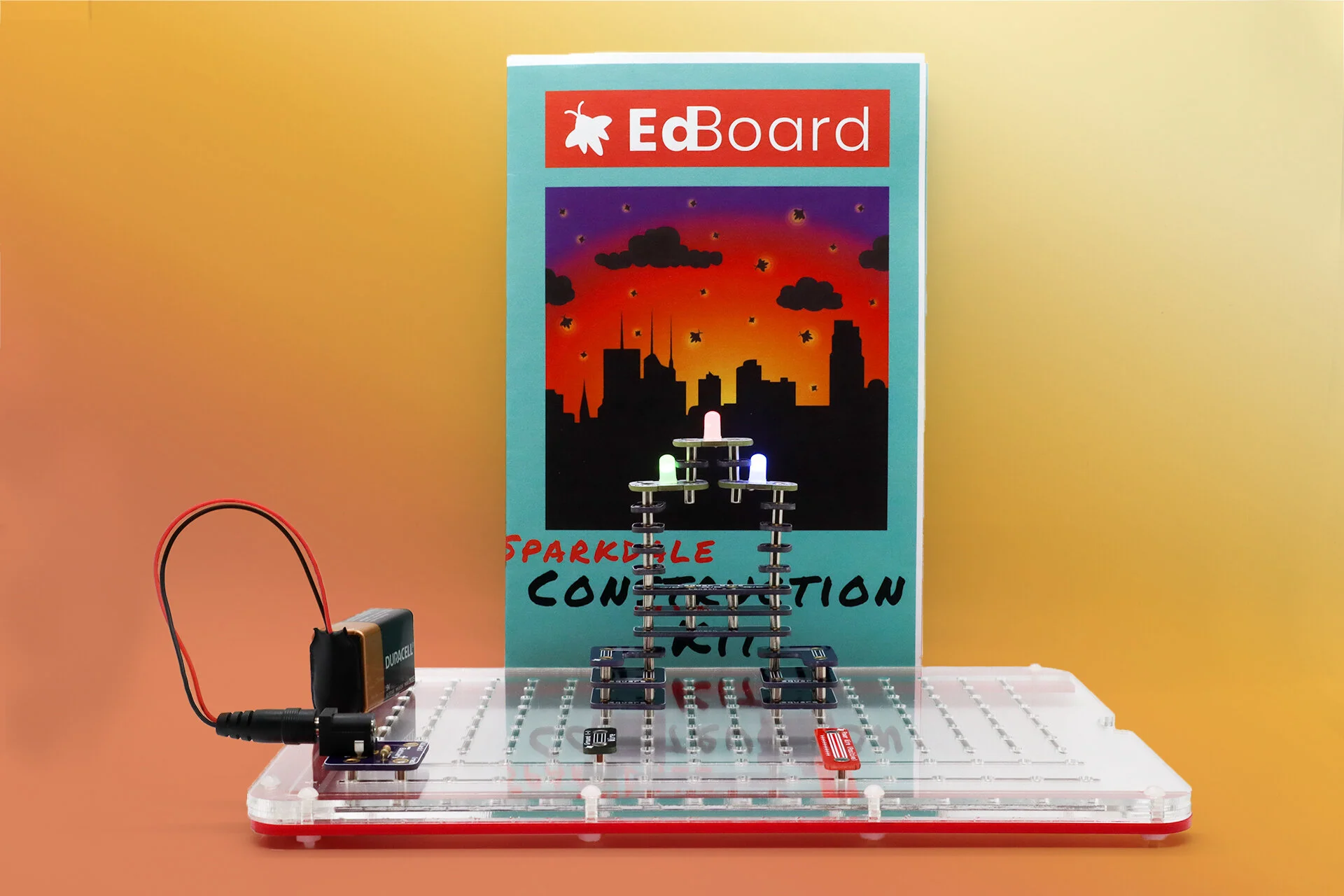
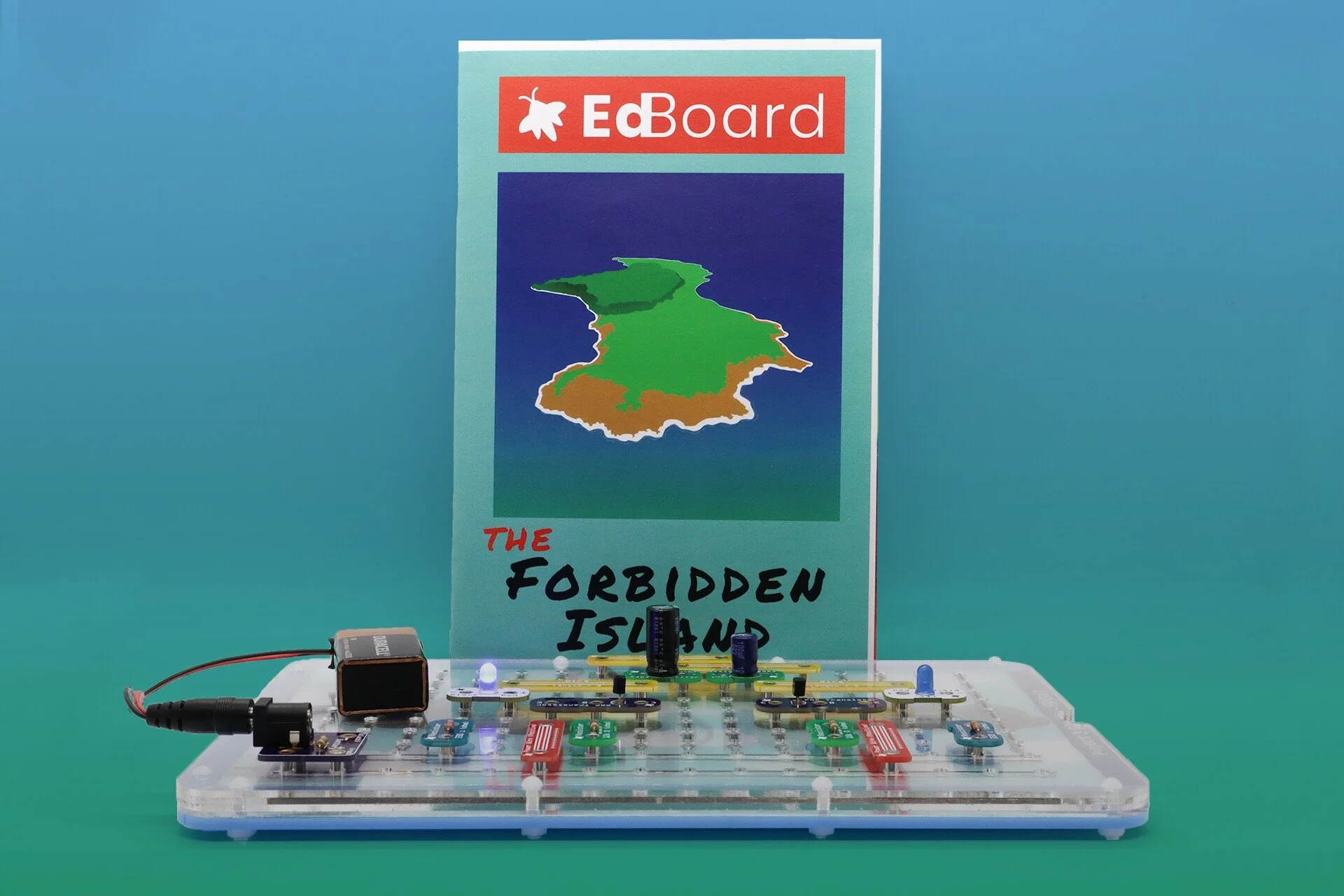
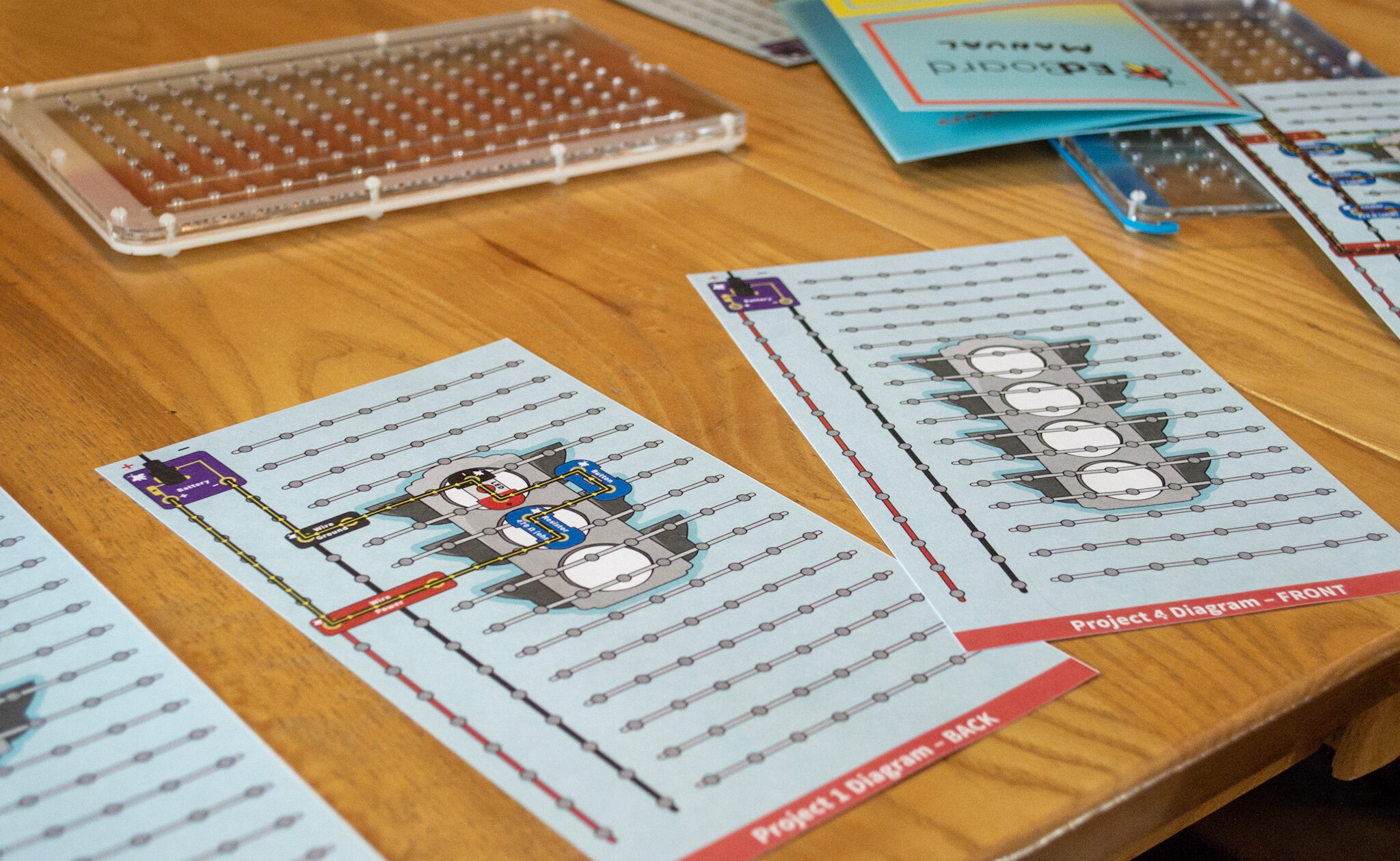
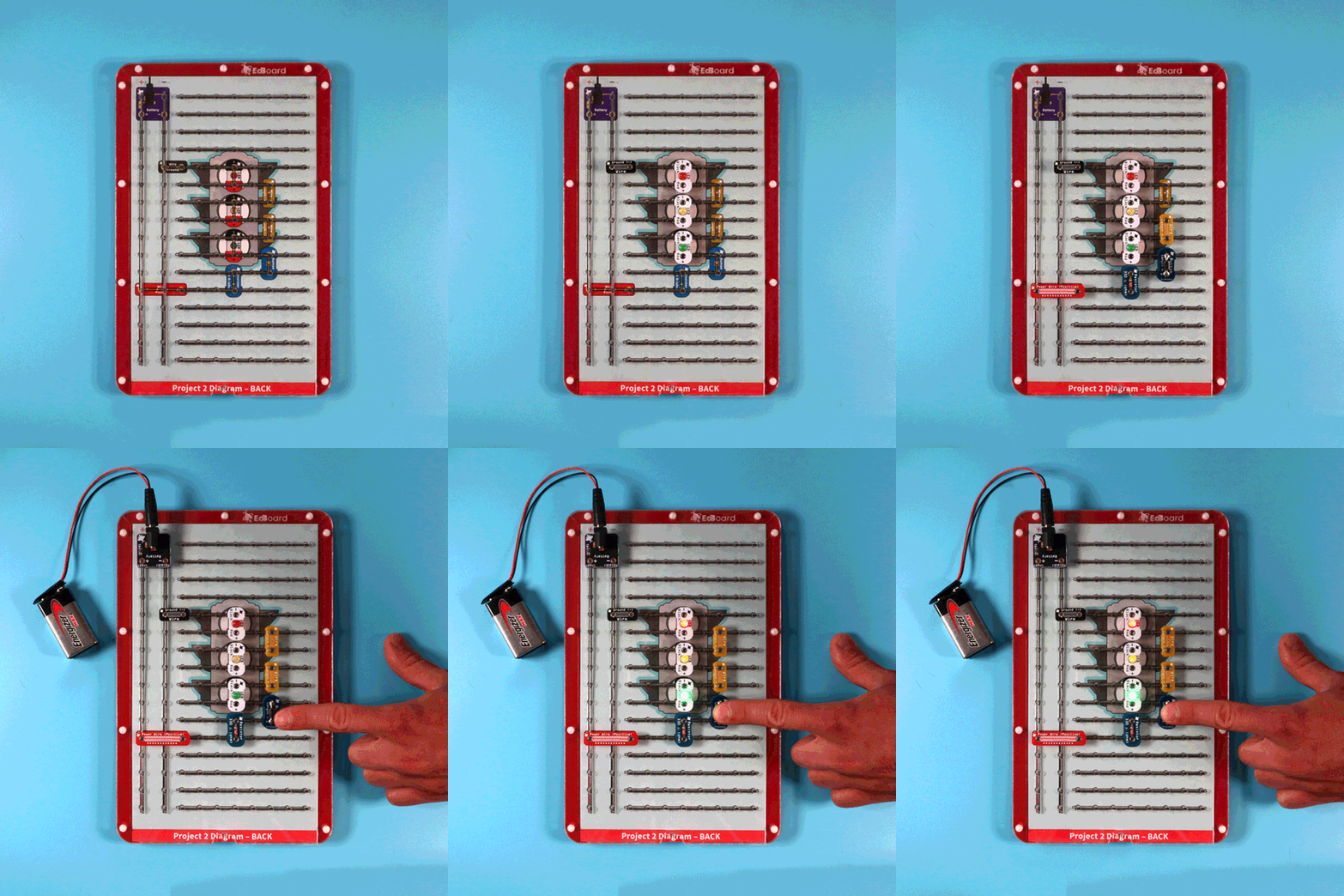
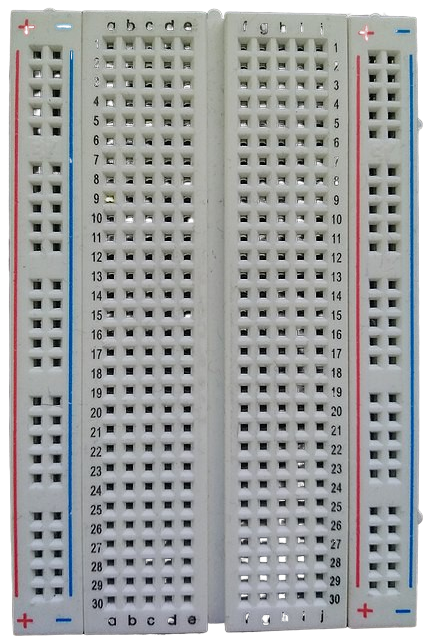
We redesigned a vital electrical engineering tool, the breadboard, to function as glass box scaffolding and we called it the EdBoard.
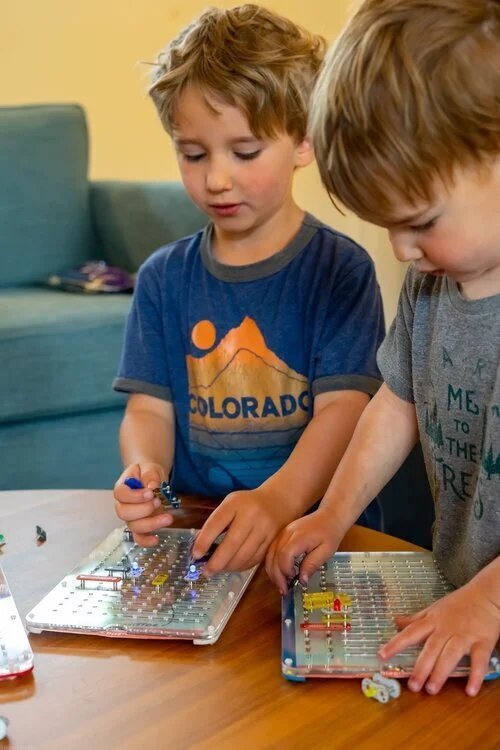
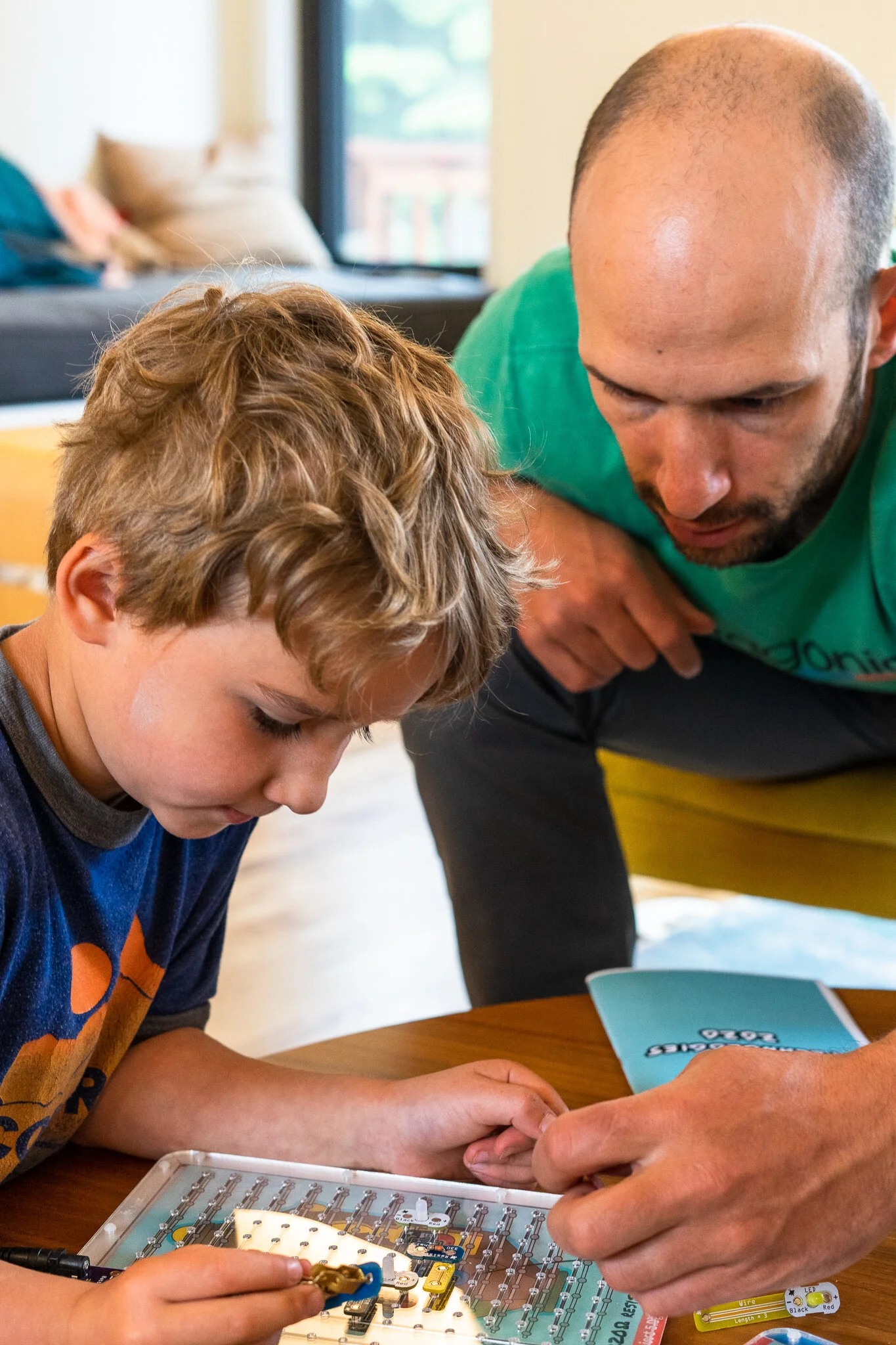
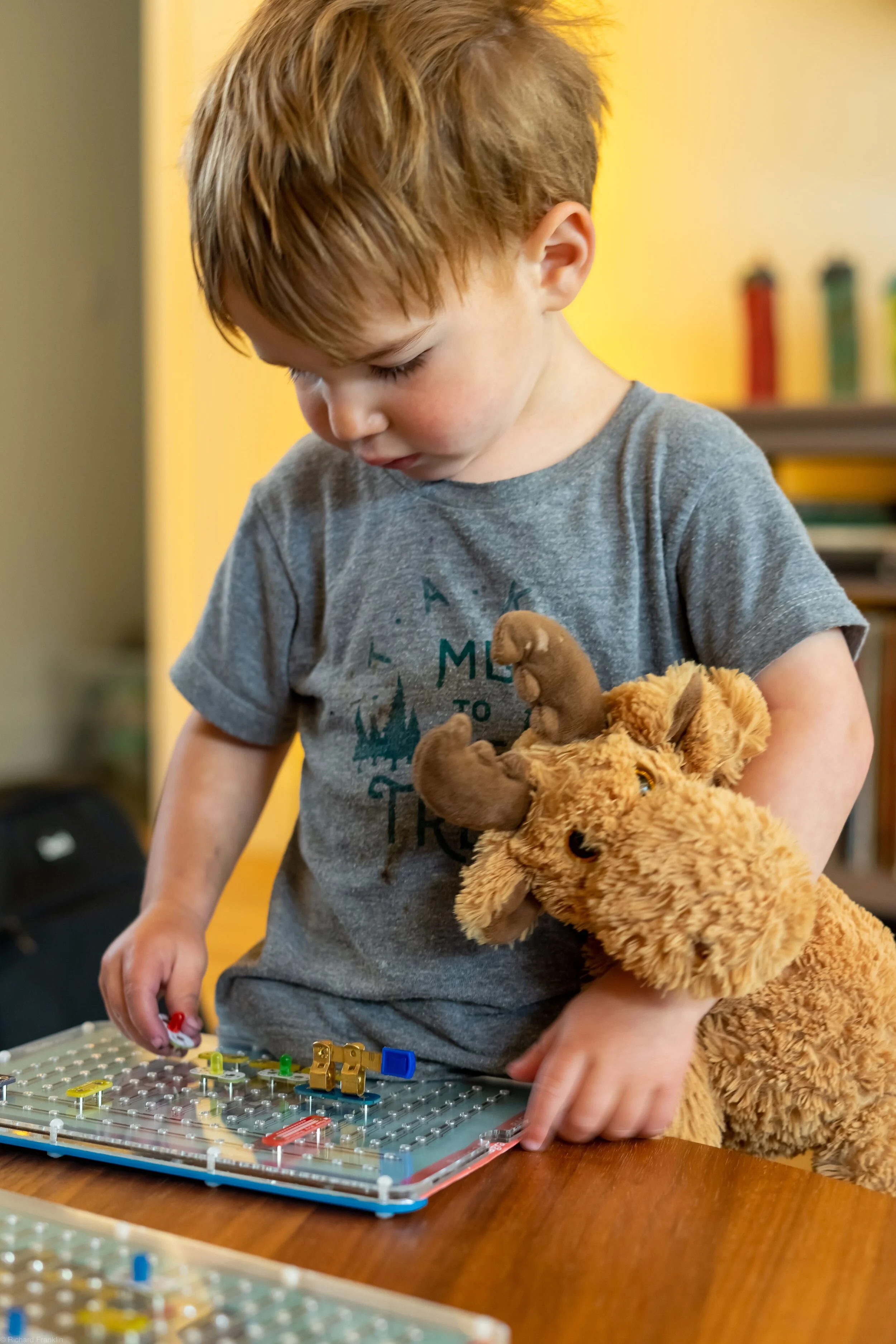
However, the tool we created is only a small part of what makes EdBoard work. The most important part is how children interact with the tool. That’s where constructionism comes in. As the late Seymour Papert (MIT Professor Emeritus and pioneer of constructionism research) demonstrated, children learn through creating. That’s why we spent four years developing a constructionist curriculum that enables children to build incredible circuitry projects.
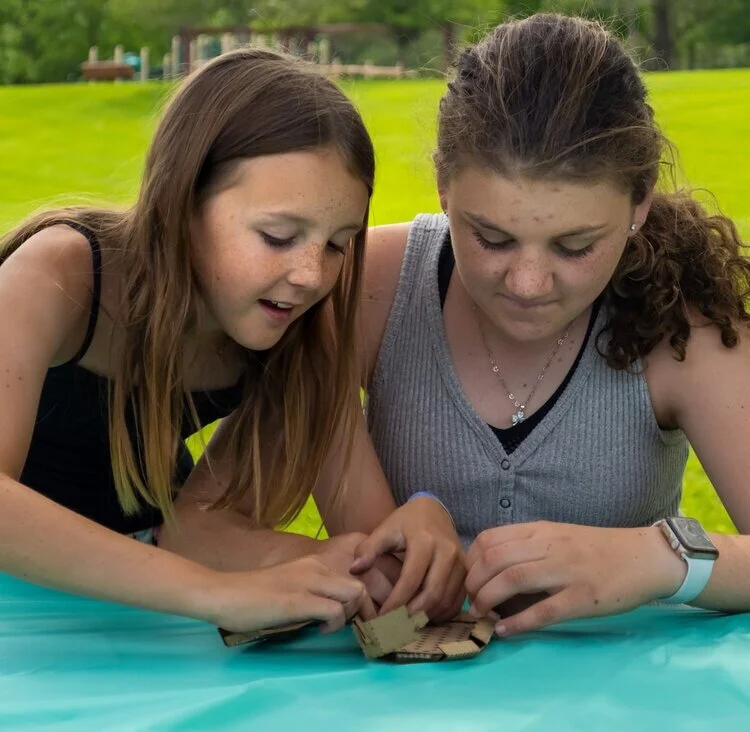
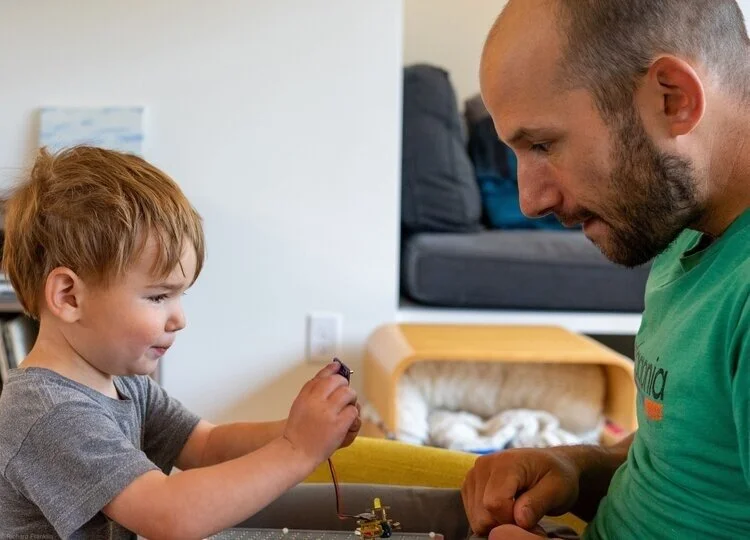
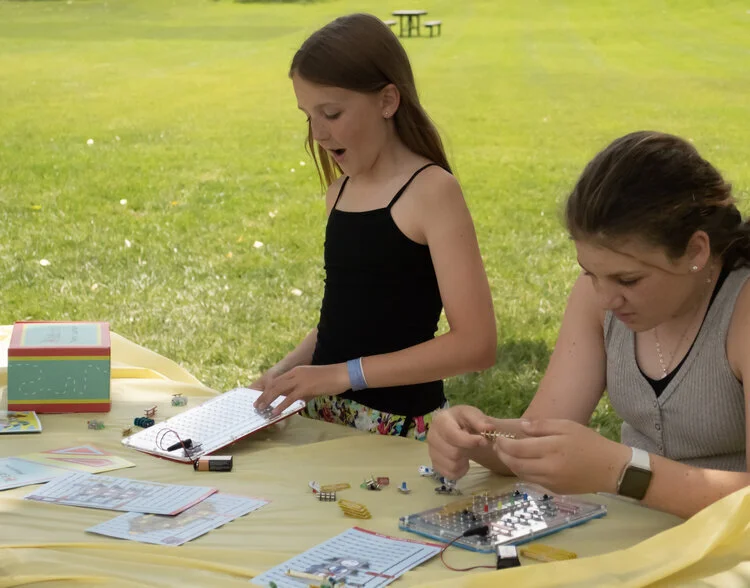
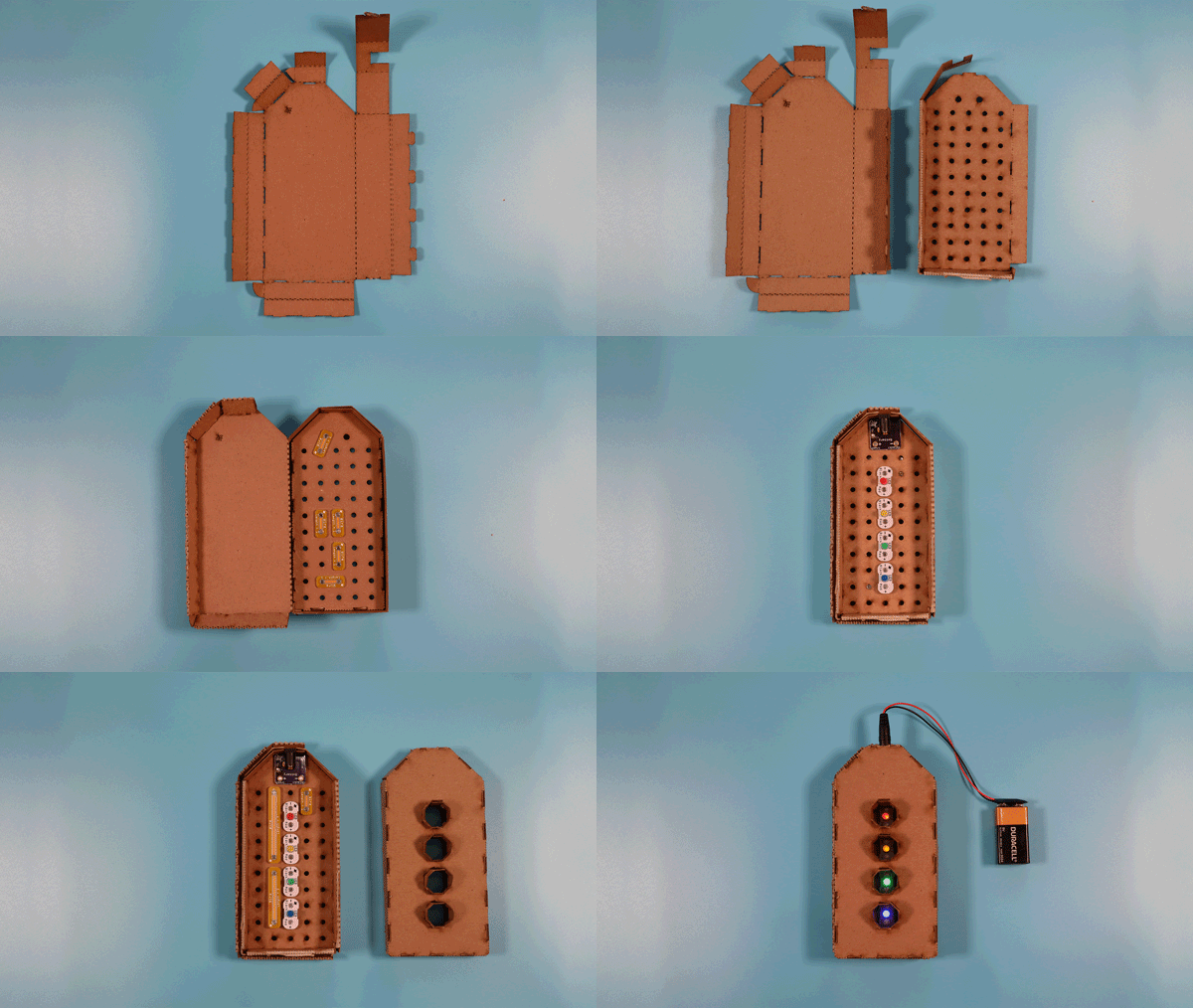
User testing with over 500 children helped us develop an authentic curriculum that helps children build confidence in STEM while also helping them grow skills that transfer directly to STEM professions. Our story-based lessons give our users a sense of agency in what they create. Our glass box design teaches children how to use standard breadboards as shown in my thesis research (see publications above). Finally, our cardboard builders (left) teach children about the implementation phase of the design thinking process.